
Humane Squirrel Exclusion & Eviction
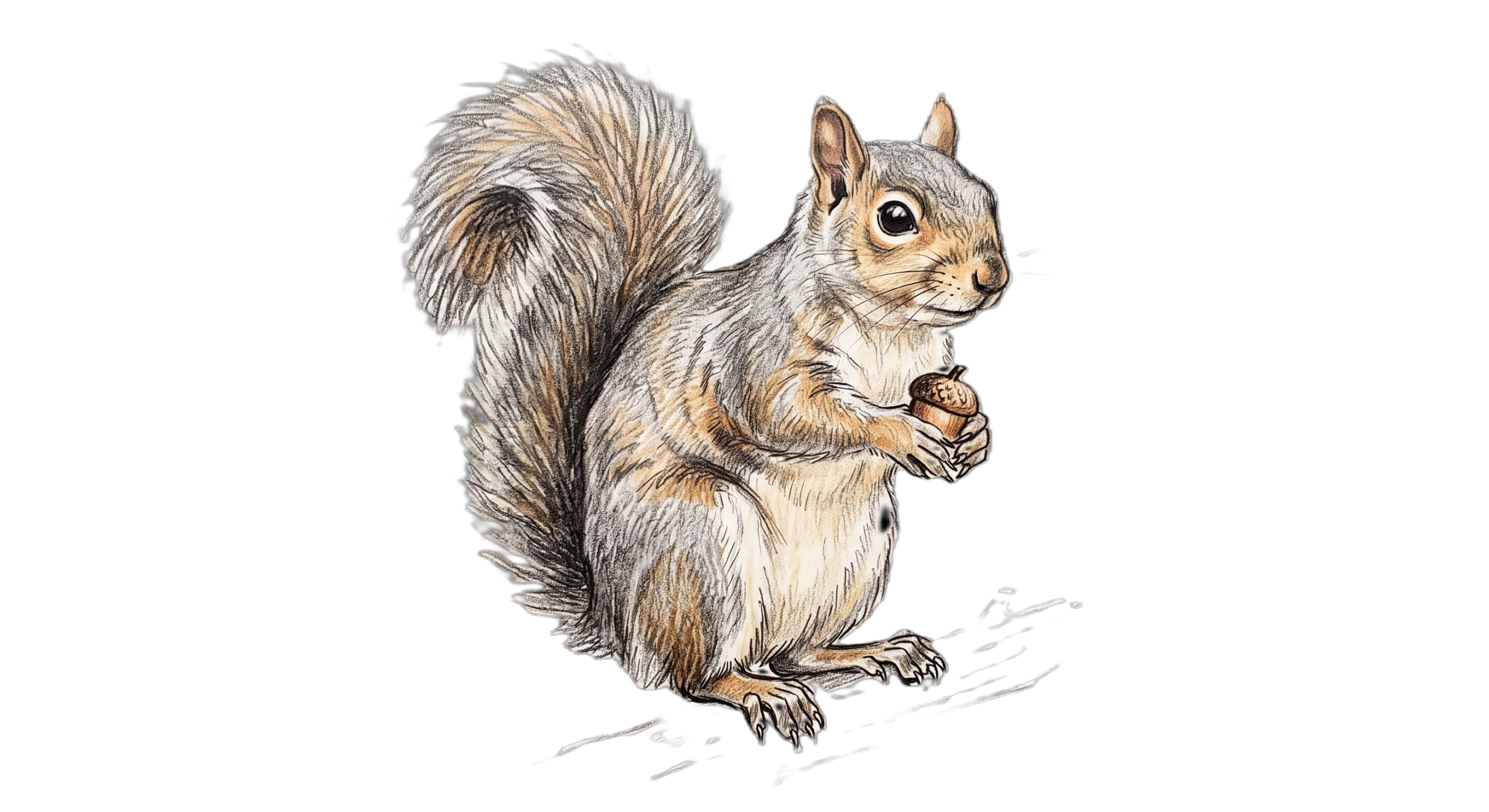
Squirrels are energetic, athletic, and determined nesting animals. In Western North Carolina, gray squirrels and flying squirrels frequently enter attics, soffits, and roof junctions to find warm shelter. Go On, Git! uses advanced exclusion systems and gentle family reunification techniques to secure your roofline while keeping squirrel families safe and whole.
Why Squirrel Trapping Does Not Work
Traditional pest operators set small traps on your roof, catch a few squirrels, and charge you to haul them away. Here is why this doesn’t work:
- Rodent Chew Magnet: Squirrels chew holes in your home because they smell air currents and hear sounds inside. If you trap one squirrel but leave the chewed hole unsealed, new squirrels, mice, or rats will quickly follow the scent trail and occupy the space.
- The Trap-and-Replace Loop: Removing a squirrel simply opens up resources in the local neighborhood, inviting adjacent squirrels to move into your vacant attic space. The only permanent solution is to physically fortify the building.
- Immobile Litters: Squirrels have two nesting seasons (early spring and late summer). Trapping a mother squirrel off-site leaves her young to starve in your attic, which is not only inhumane but also creates decay and odor hazards.
The Squirrel “Baby Box” Eviction Method
To safely handle squirrel nests during breeding seasons (typically February-April and July-September), our Wildlife Control Agents use a compassionate babies-first approach:
- Attic Inspection: Our technicians perform a thorough hand search of your attic or soffit cavity to locate the nest and any immobile pups.
- Gentle Removal: We carefully remove the pups by hand and keep them warm and sheltered.
- Roofline Reinforcement: We seal the mother’s chewing entries using professional-grade sheet metal flashing and steel mesh that teeth cannot chew through.
- Heated Reunion Box: We place the babies inside a heated, weather-protected reunification box containing their original nesting materials (preserving their scent) near their old entry point.
- Maternal Retrieval: The returning mother, finding her entry point sealed, hears and smells her pups in the box. She safely retrieves them one-by-one and relocates them to one of her alternate wild nests in nearby trees, keeping the family together.
ECOLOGICAL RULES
ENDANGERED SQUIRRELS
While gray squirrels are common, the Northern Flying Squirrel is a federally endangered species in NC, nesting exclusively in elevations above 4,500 feet in Western North Carolina.
OUR COMPLIANCE FILTER
If your home sits above 4,500 feet in WNC, our team conducts a species identification audit. If Northern Flying Squirrels are present, we coordinate with the USDA Wildlife Services to obtain federal permits before performing any handling or eviction, ensuring absolute legal compliance and species safety.
Begin with a Wildlife Safety Assessment
Every home exclusion project starts with a detailed $149 Wildlife Safety Assessment and Consultation. Our licensed Wildlife Control Agents perform a safety walk-through of your attic and roofline, deploy thermal imaging to check nesting spaces, and deliver a custom structural sealing proposal.
The $149 fee is credited 100% back toward your exclusion or bee relocation service.